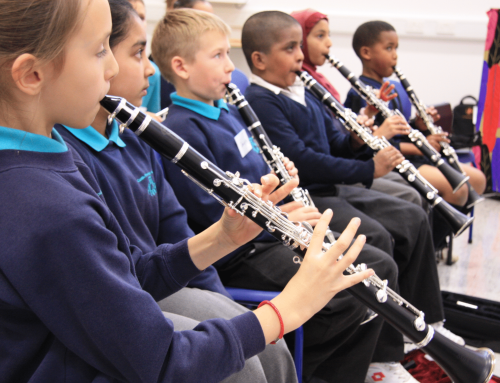
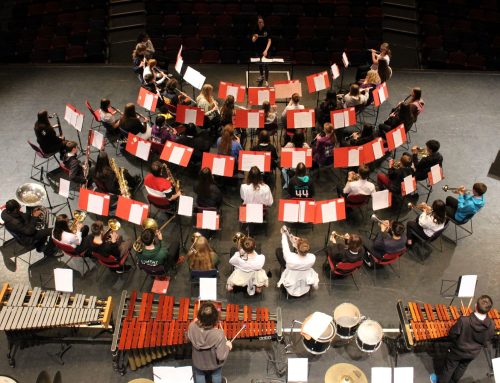
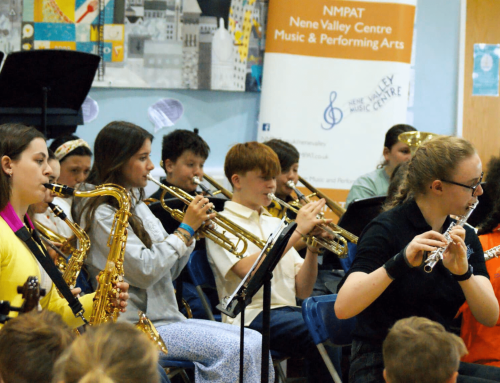
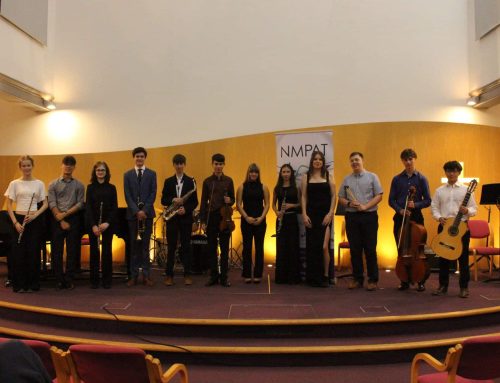
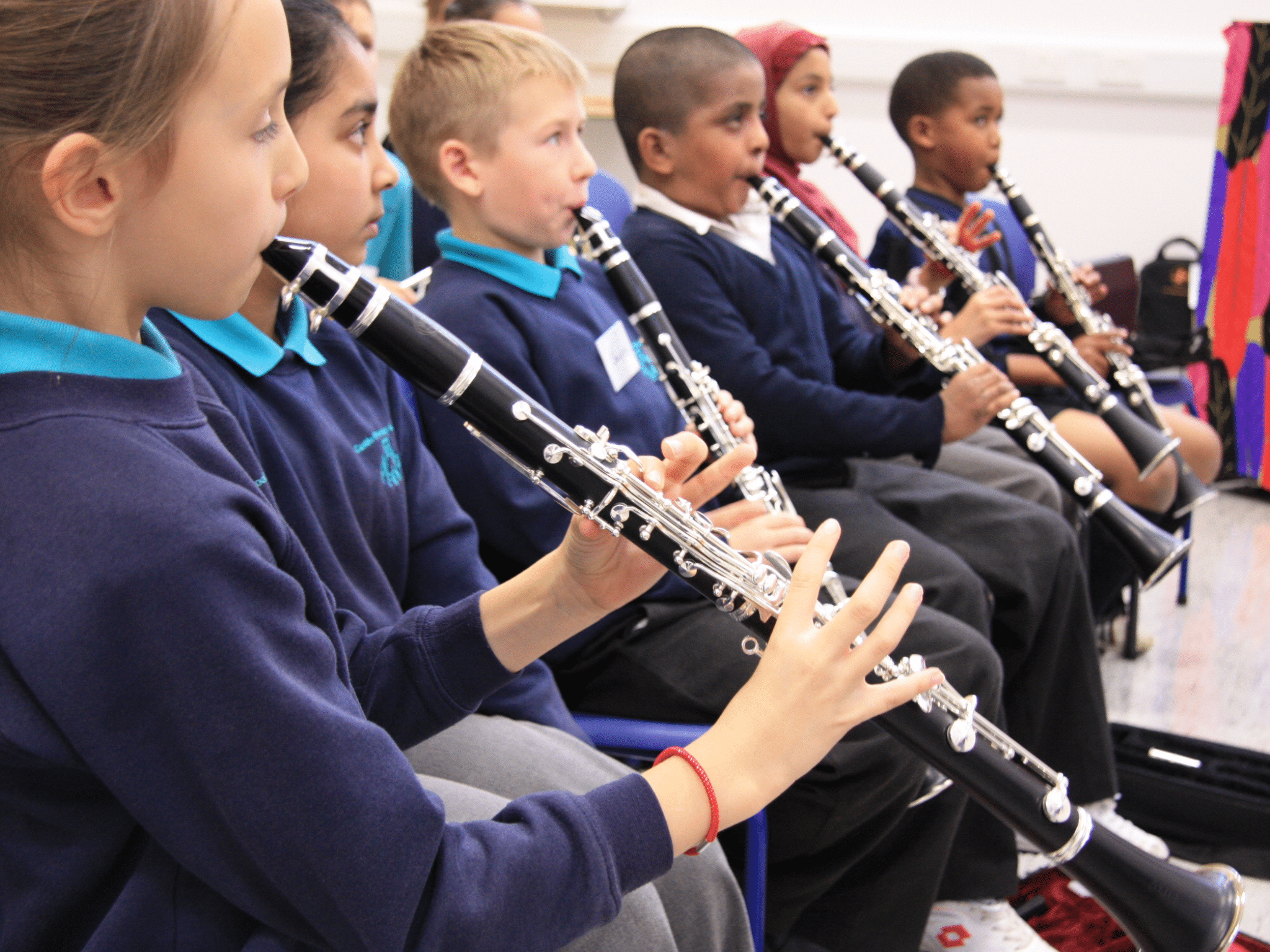
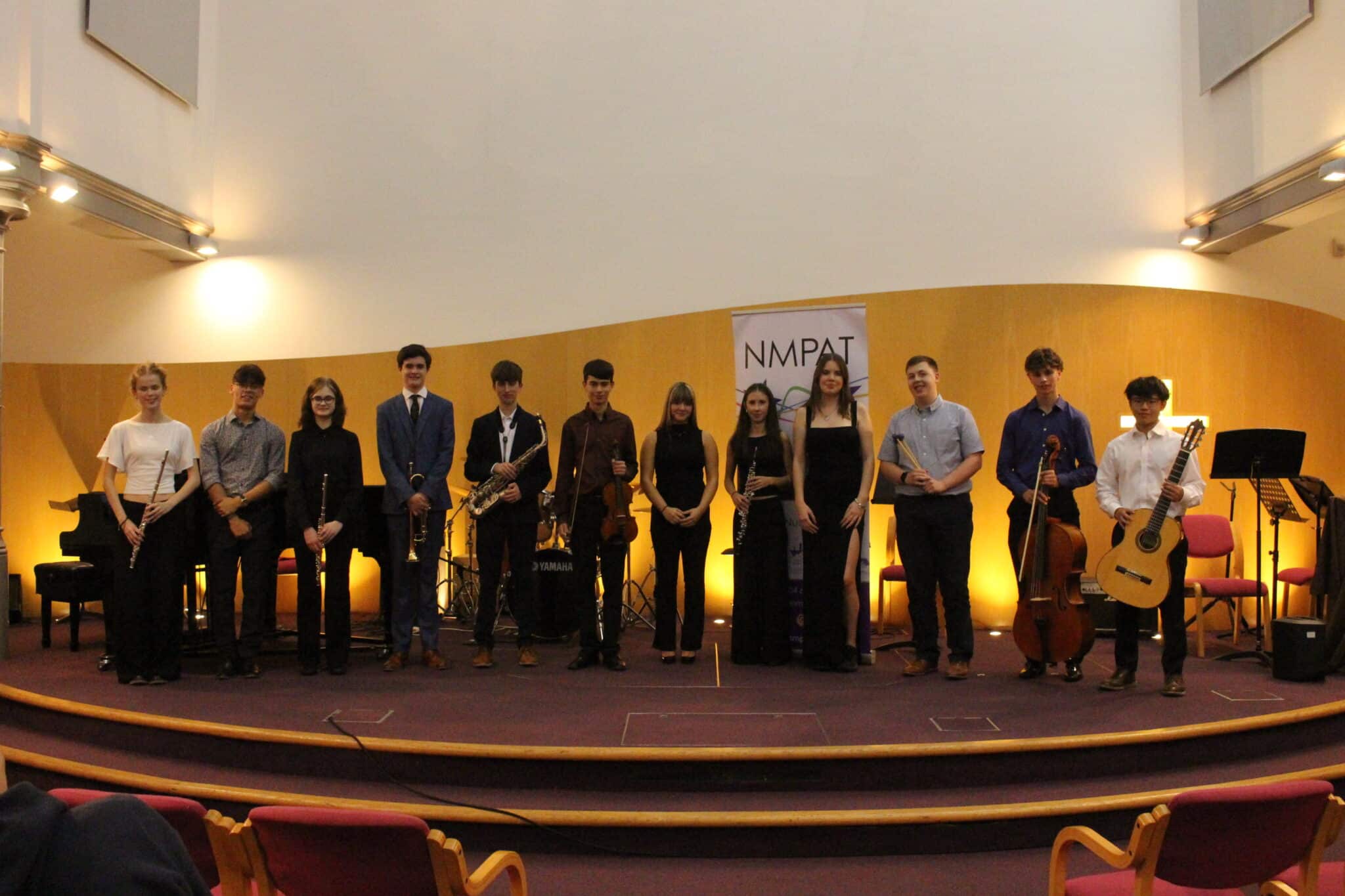
A first experience of playing an instrument. A teacher looking for fresh ideas for the classroom. A young musician finding a group where they feel they belong.
These experiences may happen in different places, with different people, but they are connected by a shared ambition: to help children and young people discover music and keep making it.
That is what a Music Hub is here to support.
A partnership, not a place
Despite the name, a Music Hub is not a building. Nor is it simply another name for a music service or a programme of instrumental lessons.
Getting to know Northamptonshire and Rutland Music Hub
A Music Hub is a partnership of organisations working together to strengthen music education in a local area. It connects schools, music educators, cultural organisations, community groups and other specialists, bringing different skills and perspectives to a shared purpose.
For Northamptonshire and Rutland Music Hub (NRMH), that area covers North Northamptonshire, West Northamptonshire and Rutland.
Our ambition is for children and young people across these communities to have opportunities to start making music, develop their interests and find a next step that is right for them.
Where does NMPAT fit in?
Northamptonshire Music and Performing Arts Trust—better known as NMPAT—is the Hub Lead Organisation for NRMH.
We have two connected roles. We deliver music education ourselves, and we bring the wider partnership together: listening to local needs, coordinating priorities and working with others to develop opportunities.
The distinction matters. NMPAT leads the Hub, but NMPAT is not the whole Hub. The partnership includes expertise and activity beyond our own teaching, centres and ensembles. In Rutland, Rutland Music is NMPAT’s local delivery brand and part of this shared approach.
Working as a Hub means asking not only “What can we provide?” but also “Who is best placed to help, and what can we achieve together?”
What does the Hub do?
Our work connects several important parts of a young person’s musical experience:
- Supporting schools: helping schools strengthen music education through professional learning, advice, networks and access to specialist expertise.
- Opening doors: supporting opportunities to sing, play, create and explore music, including classroom instrumental learning.
- Helping learning continue: connecting first experiences with further tuition, group music-making and other opportunities to develop.
- Broadening possibilities: working with partners to respond to different musical interests, traditions and ways of making music.
- Addressing barriers: understanding what prevents participation and developing more inclusive approaches.
The aim is not to create one route that every child must follow. It is to make the connections between opportunities clearer, so that a first spark of interest has somewhere to go.
Why does partnership matter?
No single organisation can meet every musical interest or understand every community’s needs on its own.
Schools know their pupils and the realities of their settings. Specialist educators bring knowledge of teaching and musical development. Cultural and community organisations bring different experiences, relationships and creative approaches. Young people and families bring perspectives that should help shape the offer itself.
By working together, we can identify gaps, share expertise and make better use of resources. Partnership should add something meaningful—not simply put more logos on a poster.
For a young person, that might mean a clearer next step after classroom learning. For a teacher, it might mean access to relevant professional development. For a community organisation, it might mean contributing expertise that helps reach learners whose interests are not yet well represented.
A local approach, shaped by listening
Our area includes communities with different strengths and challenges. An opportunity available in one place is not necessarily accessible to a child living elsewhere.
Cost, transport, school capacity, accessibility and awareness can all affect whether someone takes part. Musical interests and support needs also vary. We need to listen rather than assume that an established offer works for everyone.
That is why school conversations, partner dialogue, participation information and the voices of young people and families matter. They help us understand what is working, where the gaps are and what needs to change.
What does this mean for you?
If you are a parent or carer, the Hub is about helping your child find opportunities and understand where their musical interests could lead.
If you work in a school, it is about a relationship that supports your music provision, not simply a list of services to buy.
If you are a musician, educator or community organisation, it is an invitation to think about how your expertise could contribute to a wider local offer.
And if you are a young person, it is about recognising that your musical interests and ambitions matter—whether you are taking your first steps or looking for a new challenge.
Northamptonshire and Rutland Music Hub is the partnership. NMPAT is its lead organisation. Children and young people are the reason it exists.
Find out more about the work we do below: